01 Project name Heat-Safe City Support Plan Climate / Urban Health · Global
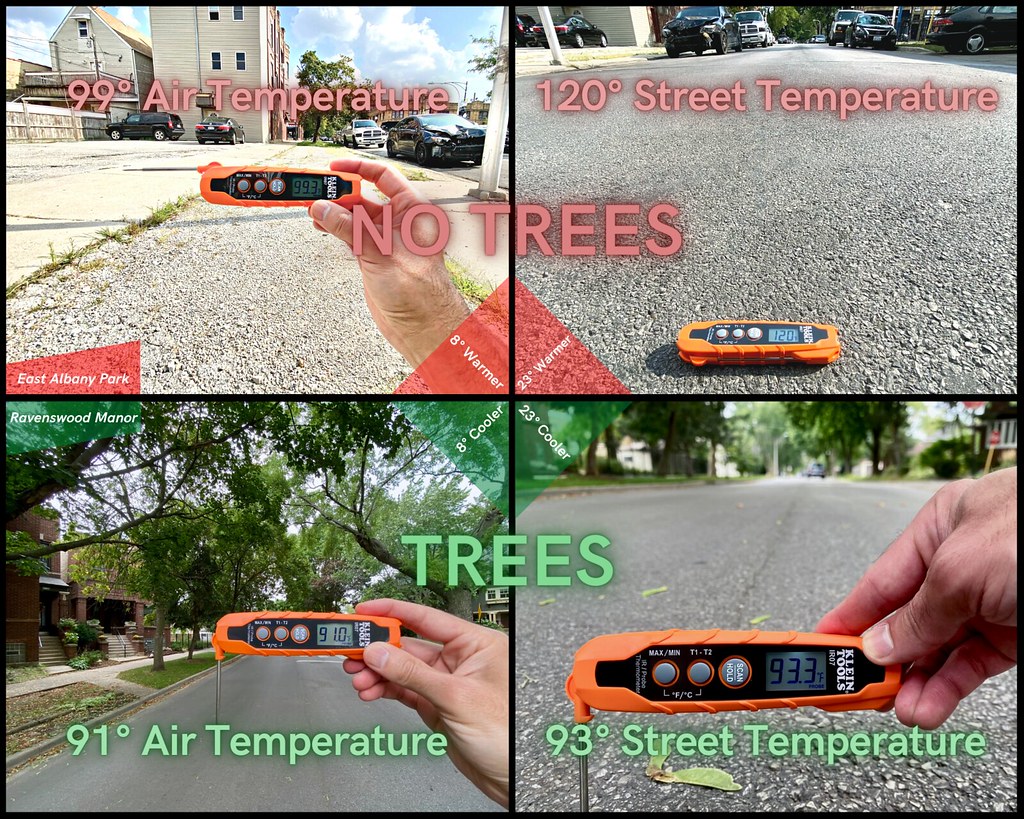
02 Project background Heat-Safe City Support Plan responds to a documented need in Global: Extreme heat threatens children, older adults, outdoor workers and households without safe cooling.
03 Project objectives Improve safe, timely and equitable access to the approved climate / urban health service for eligible beneficiaries. Reduce the practical access barrier identified through the current local assessment. Provide beneficiaries with a clear, dignified route to relevant support or qualified referral. 04 Target population People and households in the approved Global pilot area who meet the published need and eligibility criteria. Children, caregivers, persons with disabilities and other groups facing an identified access barrier, where relevant to the approved service package. Individuals requiring a safe referral to a qualified local provider when the approved service cannot meet the need directly. 05 Service content The beneficiary-facing service package specified for Heat-Safe City Support Plan. Clear, accessible information and a confidential feedback or referral route. Reasonable accommodations for children, persons with disabilities and other groups facing access barriers where relevant. 06 Delivery model 01
A verified local partner confirms eligibility using non-discriminatory criteria and minimum necessary data. 02
Services are delivered through an approved, safe and locally suitable channel. 03
Exceptions, referrals and complaints are documented and resolved through a defined escalation route. 07 Protection requirements Apply informed consent, safeguarding, non-discrimination and a staff code of conduct. Never require a beneficiary’s image, identity, personal story or precise location in exchange for service. Use a confidential complaints mechanism and publish only de-identified aggregate updates. 08 Supply-chain controls Screen partners, payment recipients, suppliers and subcontractors before contracting or payment. Separate procurement, receipt verification and payment approval; retain auditable records. Reconfirm availability, price, quality, access and delivery evidence for each approved cycle. 09 Monitoring indicators Eligible beneficiaries reached and service completion rate, reported only in aggregate. Timeliness, quality exceptions, referral completion and complaint resolution time. Procurement variance, reconciliation completeness and corrective actions. 10 Cost framework Direct beneficiary service goods or provider fees. Local delivery, accessibility, safeguarding and referral coordination. Due diligence, monitoring, reporting, payment processing and documented contingency. 11 Project pause conditions Partner, recipient, supplier, payment path or required authorization cannot be verified. Safety, quality, access, safeguarding, privacy or lawful-transfer conditions fall below the approved threshold. Records cannot be reconciled, a serious incident occurs, or material changes require reapproval. Choose how much to provide One-time Monthly
Secure Stripe Checkout Your payment enables the selected Care2Luck project service, including documented planning, coordination, verification, and reporting work. It is processed as a commercial service purchase and is not presented as a tax-deductible charitable contribution.